Be yourself; Everyone else is already taken.
— Oscar Wilde.
This is the first post on my new blog. I’m just getting this new blog going, so stay tuned for more. Subscribe below to get notified when I post new updates.
Be yourself; Everyone else is already taken.
— Oscar Wilde.
This is the first post on my new blog. I’m just getting this new blog going, so stay tuned for more. Subscribe below to get notified when I post new updates.
The transition to college soccer can be difficult for some players. The level and expectations for the player are set high. Incoming players have the whole summer to prepare themselves to come ready for the soccer season which starts in August. If you decide to just lay around and not do any significant workouts for soccer, you will not be ready for the college soccer season. Unlike high school soccer, player can pretty much do whatever they want over the summer and still be fine for the high school season because the level of soccer and expectations are not as high as college soccer season.
There is no off season for college athletes and when it comes to preparing there is a lot involved. For pre-season, which usually takes place late summer, there is a two-week non-stop period of constant training. With about three sessions a day, each two hours from Monday to Saturday. There is not much time to do anything but sleep, and that is all you will want to do after all that training. A big part about being a college athlete is all about how fit you are. The fitness you endure as a college athlete is insane. You could be running sprints, miles, suicides, for what feels like forever, and if you do not pass the tests, most of the times you will not even be allowed to practice.
However, in high school there is no summer workouts sheet that you have to follow up with you coaching staff. High school soccer is more a fun experienced compared to college soccer, there is less pressure from school, coaches, and parents when it comes to high school. High school soccer does not really involve all the fitness test and mental preparations and the need to study formations and tactics of the team you play for is not really a necessity. Nothing is guaranteed in college sports, not playing time, not a position, nothing. New recruits are there for the same reason you are, to play and to win, and if you let yourself fall behind, there will be someone there to take your place. All and all as a college athlete you just need to make sure you have your mind in the right place.
As I talked about on the last two summary posts, the new summary post will be like the other ones. This post you will have a resume of the “How to Be a Leader” and “Media Day” post.
The “How to Be a Leader” post gives step by step as a list format on how to be a successful leader for your teammates and staff. When you are a part of a team with thirty players, some players on the team will have to step up and be an example on and off the field. There are five important tips to follow:
Leading on and off the field, demonstrating good sportsmanship, respecting coaching staff and officials, take responsibility and, talk to your teammate often about problems that they or the staff may have. Those are essentials tip to follow even if the players are not trying to be a captain. Those tips are given for players to be successful on and off the field and have a better relationship with the coaches and teammates, if they follow those tips, everyone involved will have a successful soccer season. Coaches look for player that they can count on not matter what happens as the season goes on, players need to be responsible, take care of themselves and hold each other accountable in order to win a championship.
The “Media Day” post gave some behind the scene actions description, on what player go through the day before they hit the field for the first day of preseason. It is an exciting time for player to get to know each other and bound with the staff, they get to spend the whole afternoon trying out uniforms and take pictures for Troy University, their new home for the next years. It is hard for players to open up on the first day they meet with the team, media day has the power to help the players to talk to each other more and get to know the person off the field. Players get know each other and bound with the staff before everyone gets to work in preparation for the season. Those two posts were based on the players experience as an student athlete and what it takes to be successful with their team.
Media day is the most exciting day for Troy University athletes. It is the first time the teams meet after summer break to get ready for preseason. On media day players get to wear the uniform for the first time and take pictures and video so the school can create the posts and highlights for the games. Players get know each other and bound with the staff before everyone gets to work in preparation for the season. Athlete have to do answer a questionnaire about themselves so the fans can look them up in the roster in case they want to know more about that specific player.
Media day often goes from noon till five o’clock, throughout the day players will have meetings with the coaches and athletic trainer. The meetings with the athletic trainer are for the health of the student athlete, the trainers will do some tests and ask the players some questions to make sure that they do not have any issue going on with their body. The meetings with the coaches are to know what are the expectations of the player for the season, to get to know the players style of play, who they are more comfortable with on the team to talk about anything and make sure that their mind is in the right place to be as successful as they can in order to compete.
Once the media day is over, you will be able to tell that the players had a good time and are more comfortable with teammate, coaches and, athletic trainers. It is hard for players to open up on the first day they meet with the team, media day has the power to help the players to talk to each other more and get to know the person off the field. It is very important for players to bound off the field because the more they know each off the field, they will better connection on the field when it comes to important specific plays that the coach wants them to do in order to win games throughout the season.
1. Leading On and Off the Field: Being a good team captain is leading by example. In order to be a good captain, you must be giving full effort all the time because as a captain, you are going to be someone who your teammates look up to. If you’re slacking off and half doing things, they will think that if you’re doing it then so can they. It becomes a trickledown effect or “monkey see, monkey do”, to be a good example you need to set a good example. Your teammates need to see you working hard and being active during games, practices, video sessions, etc. Then they can see that effort always needs to be put in, not just during games.
2. Demonstrating Good Sportsmanship: When it comes to sports and competition, things can get heated very quickly. If you are trying to become a captain, you need to realize that the way you handle these heated moments during the game are vital. You need to be treating your opponents with respect, despite what may be said or done during the game, right or wrong. Your job as a captain is to be able to be the “bigger person” and not allow the heat of the moment to get to you.
3. Respecting Coaching Staff and Officials: During the game there are often going to be times when the referee makes a call you disagree with or your coach makes a play you think is wrong, but what you can’t do is cause a scene. There are going to be other players who are going to yell and disrespect the refs and their coaches, but that cannot be something that comes from a captain. The call from the referee may be wrong or your coach might call a play that you think is ridiculous, but you must remember to keep your head about you and refrain from starting or picking an argument.
4. Take Responsibility: One of the things about being a great leader is knowing when you’re wrong. Nobody’s perfect and by being able to own up to your own mistakes is powerful and shows that there is nothing wrong with making mistakes. It’s important for your teammates to see that even their captain doesn’t always do everything right and that if they make a mistake there’s nothing wrong with that.
5. Talk to Your Teammates: Often when you’re a captain there is the possibility of a disconnect between you and your teammates. This happens because the captain is usually put at a higher responsibility level and is looked upon for more. It’s so important as a captain to not forget that your teammates are still just as much a part of the team as you are. Don’t allow yourself to separate from the group, your job is not to teach them, you’re all learning from each other in order to become the best team possible, don’t forget that you’re all in this together.
The summary part 2 will continue to giver an overview of Troy women’s soccer team blog. As mentioned on part 1 people have learned from the posts what it takes to be a division I student athlete. It takes a lot of hard work on and off the field in order to succeed as a student first and as a player second. Those two posts are another popular topic mentioned in the blog.
The “Harsh Reality of College Sports” and “Summer B” got the readers attention and some feedback from soccer fans on how they did not know what it really takes to be as successful as they are on the field and in the classroom. When talking about failing to be a division 1 student athlete, nearly one third of college athletes quit during their time in college. This happens because some students just realize that they have lost the love for their sport, they can’t juggle school and soccer and the workload, they have bad relationships with the coaches or players, or they simply just don’t want to put the work in that comes with being a college athlete. When you quit, obviously that money is no longer going to be given to that player anymore. Depending on the players family situation financially, players must realize that if their college education is relying heavily on the money they are receiving from their sport, they have to keep that in mind when making their final decision.
When deciding to commit to a division I, athletes have to keep in mind that they will be working even when the academic semester is over mentioned in the “summer B” post. Coming in for the summer usually means you’re not going to be seeing many of your non-sports friends because most of them are home for the summer, so this gives you the chance to get even closer to your teammates. The most important thing about being on a team with other people is not just being able to tolerate them but being able to see them as your extended family. Your teammates are going to be the ones who are going to be able to relate to you more than anyone
The Keeping Up with Troy Soccer blog posts have helped some people to know more about the university women’s soccer team and what it takes to be on the team as a division I student athlete. These posts tell and show behind the scene workouts, schedule and relationships of the players with the soccer staff. People that have accessed the blog learned a lot about soccer, the team and, the staff.
The post that I have got the more feedback from is the one that talks about “Relationships with Coaches” many people thought that coaches are there for the player during training and matches time but that is not true. Players have their coach support all day, every day, for anything they need in order to succeed on and off the field. At the end of the day the team comes together as a family. Everyone involved help each other on and off the field because that is how they will win games and titles. Most people do not know that Having a good relationship with your coaches is vital. When you have a good relationship with your coaching staff you can go and talk to them about whatever may be on your mind. I think what a lot of people don’t realize is that coaches are a lot more than just coaches. Coaches are there to be your coaches not only for soccer but for life, they are almost like your “parents” away from home. They are there to guide you, help you and prepare you for challenges that you will have to deal with on the field and how you can adapt that to situations off the field.
Another post that was successful and got the reader attention is the “Underdogs”. This specific post showed how important it is for athletes to have the right mindset going into the game. The players must have their mind fully prepared in order to have a high performance and be able to win the match. This is the problem so many teams have when playing higher ranked teams. They put themselves down before the game has even began, already giving the other team an advantage. There is nothing wrong with being the underdog, just because your team might not be ranked as high or thought to be “equal competition”. With perseverance, trust, the willingness to succeed and the mind set to win, it is possible for great things to happen
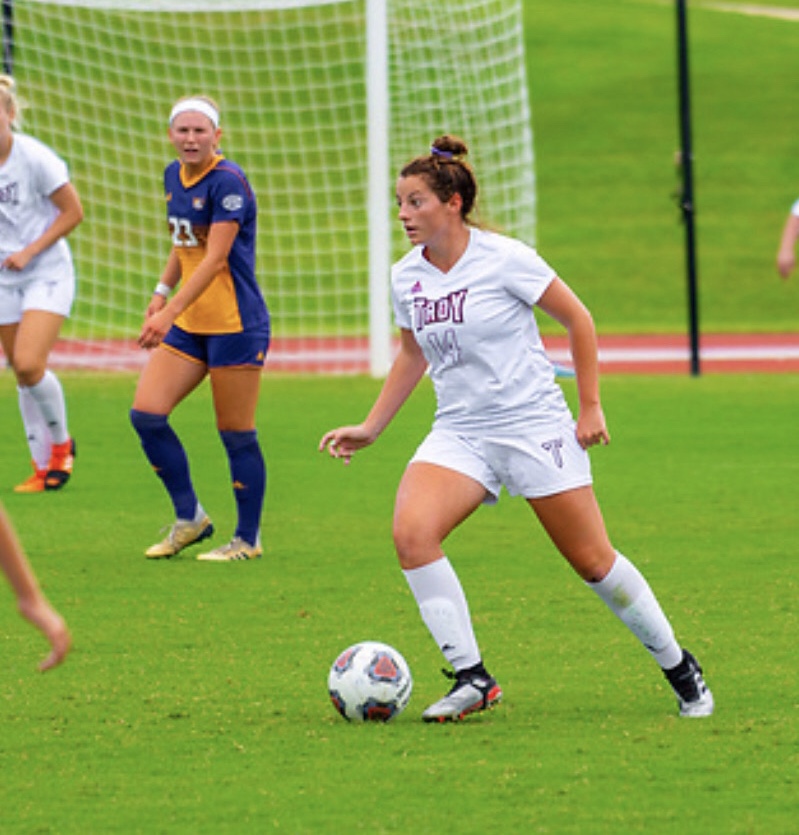
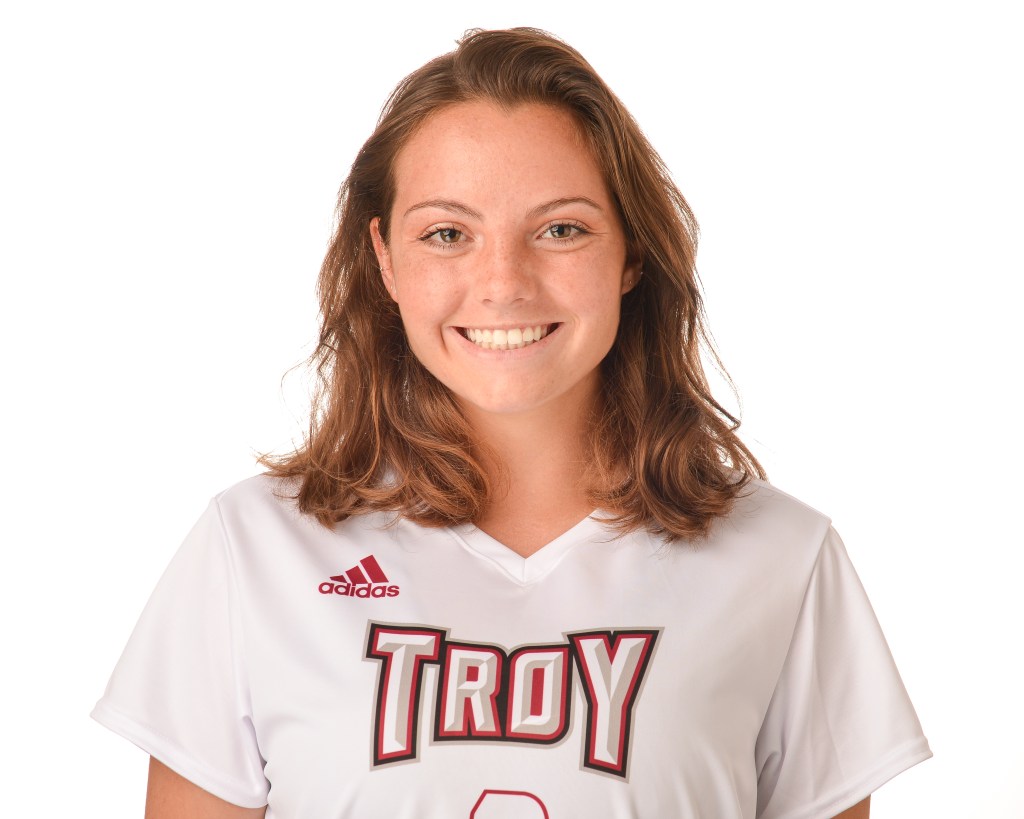
Today I am interviewing Troy women’s soccer player, Alisa Detlefsen. Alisa has been playing at Troy for the past two years and is a sophomore at Troy University. She is from Jacksonville, Florida and has been playing soccer for 15 years and is a center midfielder. She has been a starter at Troy since her freshman year and she is a soon to be junior.
Question 1: Why did you decide to come to Troy?
Answer: “I decided to come to Troy because, I liked the team atmosphere and the coaching staff. I also loved the location of the school because it’s not too far from home, but it’s not too close either. I also liked the way the team played and how well the girls got along with each other. The team just really seemed like it was the perfect match for me, and I am very glad I made the decision to come here”.
Question 2: What is your favorite part about being on the Troy Women’s Soccer Team?
Answer: “The best part about being on the Troy Women’s Soccer Team is the second family that I have gained since being apart of the team. All of us girls get along really well and we are always there to help and support each other. I consider each of the girls not just my teammates, but my friends and we do just about everything together. It’s nice being apart of a team because you always have people to go to who can easily relate to myself whether it’s soccer or school stuff”.
Question 3: What’s the biggest challenge of playing a college sport?
Answer: “The biggest challenge I have when it comes to playing a college sport is time management. We are either always training, working out or traveling and sometimes it gets really hard to handle everything at once. I am a graphic design major and I constantly have assignments due all the time that require a lot of time and sometimes it can get really hard to find the time to get everything done in time”.
Conclusion: After interviewing Alisa I was able to get a closer look into what makes Troy soccer a good fit for her and what some of the challenges she faces while playing on the team.
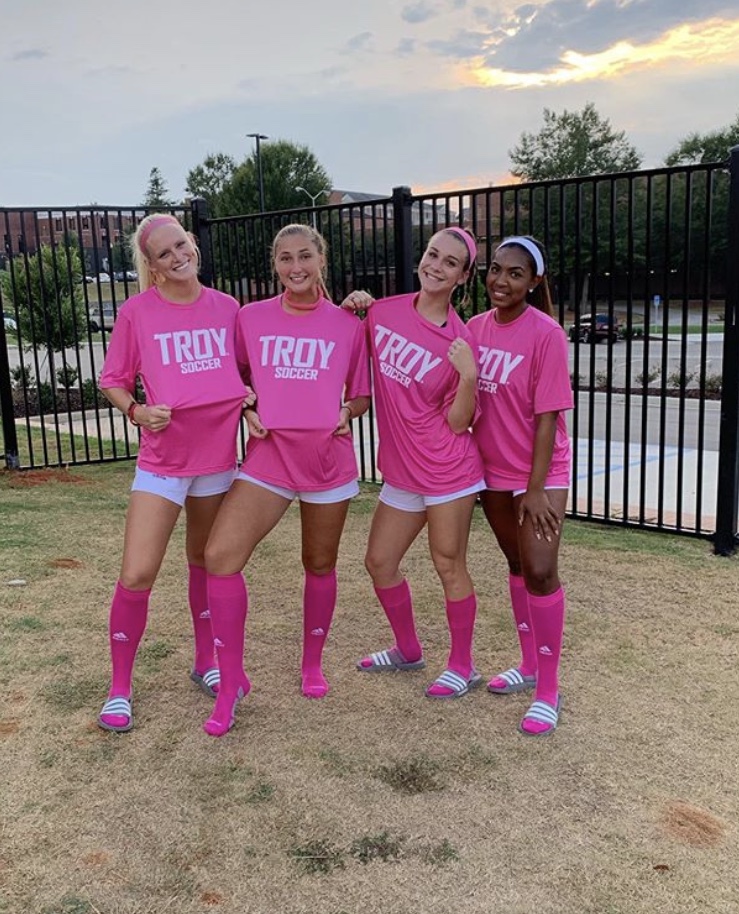
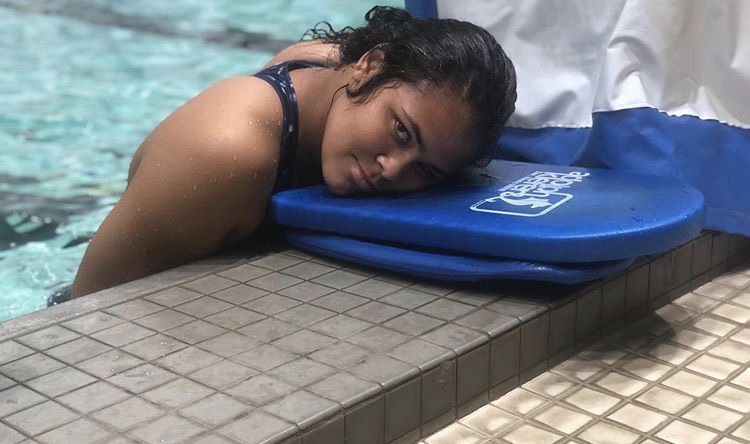
One of the harsh realities of college sports is that they do not always work out. Before coming to college, college sports can be very hyped up from your parents to your friends to your coaches and teammates. Everyone around you is going to happy and supportive of your opportunity to go and play a college sport, but what they don’t tell you is that it’s not always going to be sunshine and rainbows. Being a college athlete is not for those who do not want to put in hard work, long hours, effort and lots of energy into their sport. In the beginning, when committing to play a college sport it’s all about the gear you’re going to get, the pictures you can post, the ability to say, “I’m playing Division 1 soccer”. Nearly one third of college athletes quit during their time in college. This happens because some students just realize that they have lost the love for their sport, they can’t juggle school and soccer and the workload, they have bad relationships with the coaches or players, or they simply just don’t want to put the work in that comes with being a college athlete.
With the athletes who quit, it’s often a sigh of relief and they feel like they have a weight off of their shoulders. Quitting a college sport is a very big decision and one that requires a lot of thought and weighing of pros and cons of making your decision. Most if not all Division 1 and 2 athletes have some kind of scholarship money being awarded to them. When you quit, obviously that money is no longer going to be given to that player anymore. Depending on the players family situation financially, players must realize that if their college education is relying heavily on the money they are receiving from their sport, they have to keep that in mind when making their final decision. The greatest thing that people must keep in mind is that no matter who is quitting or why someone is quitting, it is going to be one of the biggest, if not the biggest decision they have made all their life. Playing a college sport is not for everyone, even when people think they are ready for it, the reality is, sometimes it’s just not the right fit.
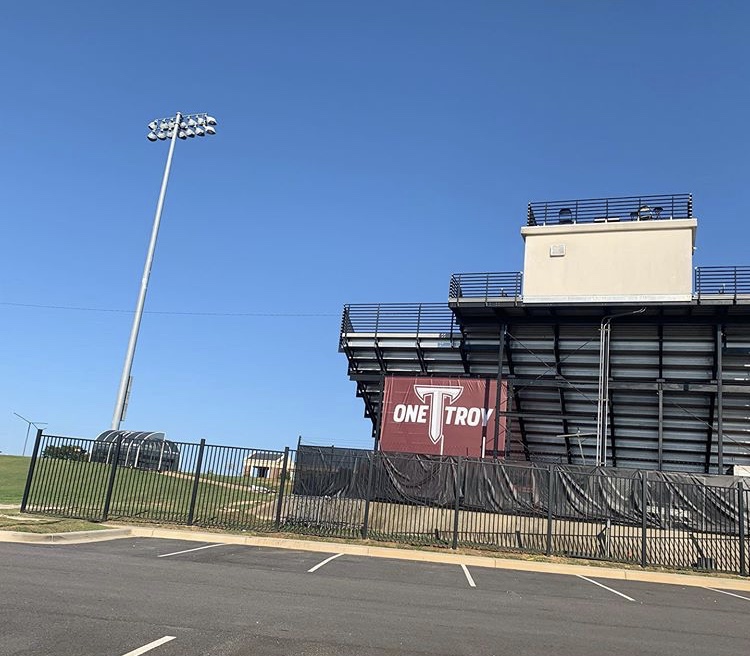
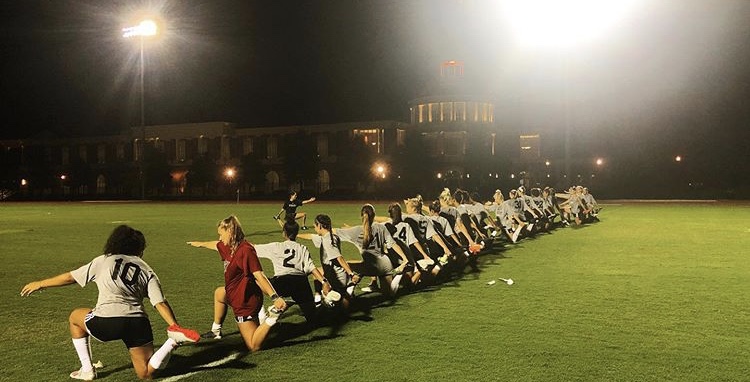
When deciding that you want to play a college sport you cannot just have one or two schools in mind. Playing college sports is a very competitive field and there are thousands of prospect athletes who want to continue their athletic career in college. Having a wider range of schools gives yourself more room to adjust your list if one of your schools doesn’t work out. When choosing potential schools you must make sure that you are choosing schools that pertain to both your athletic and academic skills.
2. Sending Coaches Emails about Interest:
Coaches aren’t going to know who you are unless you reach out to them. College coaches have very tight and busy schedules, so when it comes to meeting and getting to know new players, they rely on the athletes to project their interest in their programs. Emails are a great step at getting your foot in the door and getting coaches to notice you.
3. Creating Video Footage:
Video footage is one of the best ways for coaches to get to see your skill and abilities on the field. Highlight videos are vital for coaches, especially when you are sending video to schools far away. These highlight videos focus and pinpoint on the strengths of your play and allow for coaches to see what kind of player you are. Make sure that the video is no longer than five minutes long and when creating a highlight video, have it done professionally that way you are highlighted correctly, and you stand out.
4. Sending Game/Tournament Schedules:
When going to games and tournaments, you should always email coaches game and tournament schedules that way they are able to come and watch you play. There is nothing better then coaches being able to see you play in person. You should make sure that you are sending coaches, times, locations and field numbers that way they can evaluate you in person and get to see you play in action.
5. Attending ID Camps:
ID Camps are a great way for coaches to be able to see you play at schools that you have interest in. Not all coaches are going to be able to make it to your games, so by going to ID Camps coaches are able to see you play and evaluate you to see if you would be a good fit for their program.
6. Going on Official Visits:
For this final step, an official visit is the ultimate deciding factor is whether you want to attend a certain school. When going on an official visit you’re able to meet the players on the team, attend events with the players, and get one-on-one time with just the athletes, not the coaches. This way you can learn what it’s really like to be a college athlete first-hand from the players on the team.
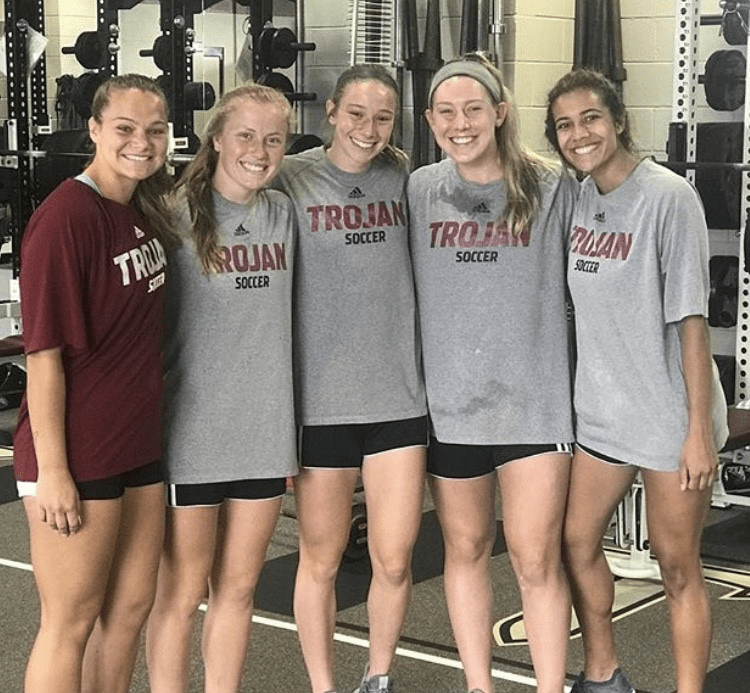
As an athlete, you are always going to be faced with challenges. One of the greatest challenges that athletes face is being the underdog. In college, this happens all the time. You are always going to be playing teams that are bigger and better. What is even harder than playing these teams, is getting in the right mindset and not putting negativity in your head before the game has even happened. It is easy to put in your head that you are going lose or not be as good as the other team, and it’s extremely difficult to get out of this mindset. Something that really helps in staying positive and focused on being successful in the game is making sure that you are surrounding yourself with positive energy. By avoiding negative talk with your teammate or coaches instead, focus on what makes your team strong and what makes yourself a good player. Having team meetings about what the team wants to achieve or goals they have for the game is an important aspect in preparing for the upcoming game. Another thing that helps in playing an opponent that is said to be better, is watching film on that team. By doing this teams are able to evaluate and asses what the strengths and weaknesses are of the other team and they can pinpoint what needs to be done in order to capitalize on their weaknesses. Trust is another major factor in getting prepared to play bigger teams. Not only do you need to trust in your teammates and your coaches, but you have to trust in yourself.
When being the underdog it is very easy to lose sight in the qualities and skills you yourself and your team has, because it is easier to focus on what you do not have and what your opponent does. This is the problem so many teams have when playing higher ranked teams. They put themselves down before the game has even began, already giving the other team an advantage. There is nothing wrong with being the underdog, just because your team might not be ranked as high or thought to be “equal competition”. With perseverance, trust, the willingness to succeed and the mind set to win, it is possible for great things to happen.

 Keeping Up With Troy Soccer